History of the Cane Corso👀
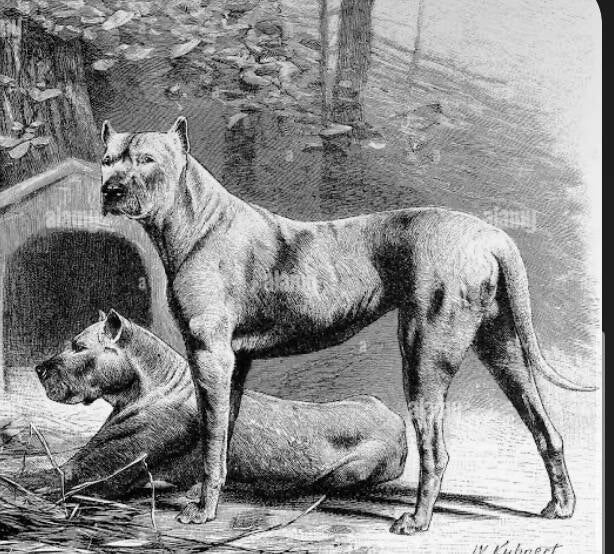
Born of Empire. Forged by Purpose. Preserved by Power.
The Cane Corso is not a modern invention. It is a living relic of ancient Italy. Its roots trace back to the mighty Roman Molossian war dogs, canines bred to march beside legions, guard estates, and dominate battlefields. When the Roman Empire fell, the Cane Corso did not vanish. It adapted.
In the rugged countryside of southern Italy, this breed became the ultimate working guardian. It protected homesteads, livestock, and families. It hunted large game. It moved silently but struck decisively. Farmers relied on it not for decoration, but for survival. Every trait had a job. Strength without bulk. Intelligence without hesitation. Loyalty without question.
Nearly lost to history after World War II, the Cane Corso was rescued by dedicated preservationists who understood its cultural and functional importance. What emerged was not a reinvented dog, but a restored one. A guardian bred with intention, balance, and nerve.
Today’s Cane Corso still carries the imprint of its origin. Calm confidence. Controlled power. Deep devotion to its people. This is not a breed that seeks attention. It commands respect by simply standing its ground.
The Cane Corso did not come from trend or fashion.
It came from necessity.
And it remains, unapologetically, a protector by design. 🛡️🐾
How do Preservation Breeders positively contribute to the breed?
Nearly Lost. Intentionally Restored.
Following World War II, the Cane Corso stood at the brink of extinction. Its survival depended on preservationists who understood that function must come before fashion.
Today, responsible breeding protects what history created. Balanced structure. Stable nerves. Purpose-driven temperament. Preservation is not about nostalgia. It is about responsibility.
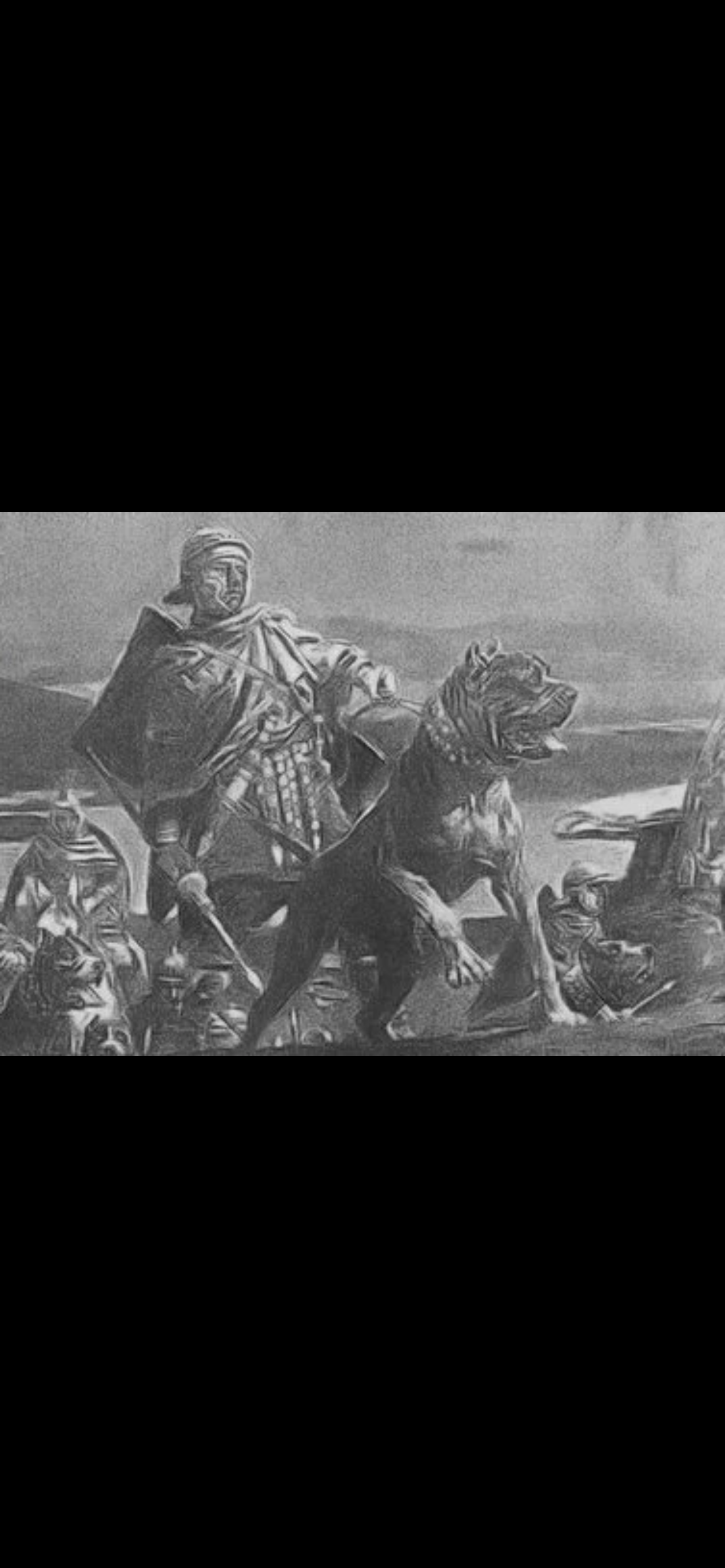
Let's get real!!
How the Cane Corso Was Rebuilt and Why It Matters
When the Cane Corso hovered near extinction after World War II, the remaining population was too small and fragmented to safely continue without intervention. Italian preservationists faced a hard truth: to save the breed, they had to carefully rebuild it. What followed was not casual crossbreeding, but strategic reconstruction using dogs that shared purpose, structure, and temperament with the original Corso.
Below are the primary breeds introduced, and the exact reasons they were chosen.
⸻
Neapolitan Mastiff (Mastino Napoletano)
Why it was used:
• Closest living relative to the ancient Roman Molossian
• Shared Italian origin and guardian purpose
What it contributed:
• Bone density and substance
• Serious guardian presence
• Protective instinct
Risk introduced:
• Excessive mass, loose skin, exaggerated features
Correction:
Later breeding selected away from over-wrinkling and bulk to restore athleticism.
⸻
Boxer
Why it was used:
• Functional working dog with Roman Molosser ancestry
• Strong nerves and trainability
What it contributed:
• Athletic movement and endurance
• Cleaner structure
• Responsiveness and handler focus
Risk introduced:
• Shorter muzzles
• Excess energy if overused
Correction:
Balanced with heavier guardian lines to preserve calm authority.
⸻
Bullmastiff
Why it was used:
• Estate guardian bred for silent deterrence
• Known for stability and control
What it contributed:
• Calm confidence
• Reliable protective temperament
• Balanced power
Risk introduced:
• Reduced drive or speed if overrepresented
Correction:
Paired with more athletic lines to maintain versatility.
⸻
Great Dane (Limited Use)
Why it was used:
• Height, leg length, and reach
• Improve outline and movement
What it contributed:
• Elegance and stride
• Increased size without heaviness
Risk introduced:
• Loss of guardian density
• Excess refinement
Correction:
Used sparingly and quickly bred back to Corso type.
⸻
What Was Not the Goal
The objective was never to create a new breed, soften temperament, or chase appearance. The goal was survival through function.
Preservationists focused on:
• Guardian instinct
• Stable nerves
• Functional structure
• Farm and estate utility
Dogs that failed temperament or working expectations were removed from breeding, regardless of looks.
⸻
Why This Still Matters Today
Understanding reconstruction explains why:
• Early Corsos varied widely in look
• Preservation breeding is essential
• Exaggeration damages the breed’s purpose
A true Cane Corso today reflects intentional correction, not random mixing. When bred properly, the result is a dog that looks powerful, moves athletically, thinks clearly, and protects instinctively.
⸻
Markaveli Takeaway
The Cane Corso wasn’t reinvented for fashion.
It was rebuilt to survive.
Modern preservation breeding is not about adding anything new.
It’s about protecting what was restored 🛡️🐾
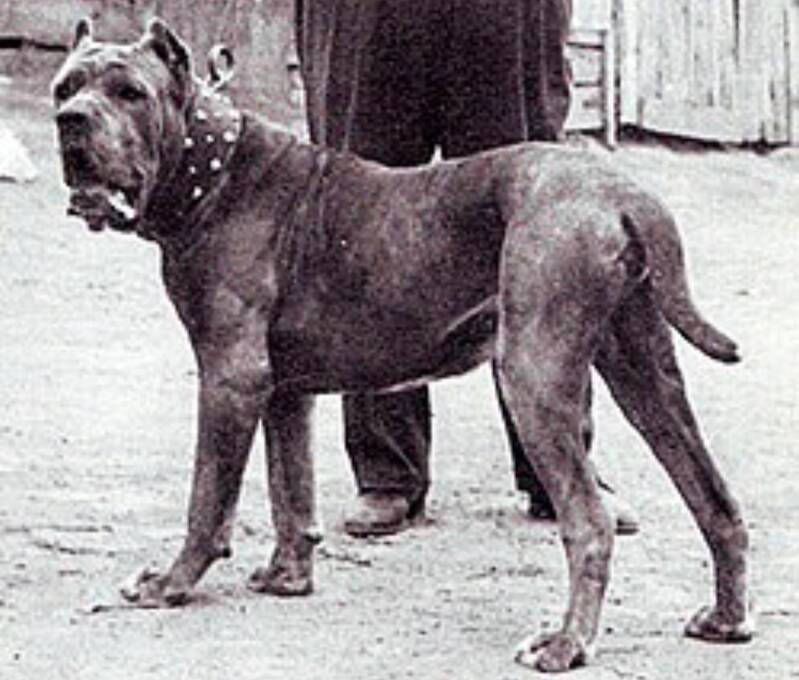
Is There a 100% Cane Corso?
Short answer:
No modern Cane Corso is “100% Cane Corso” in the sense of an uninterrupted bloodline from ancient Rome.
Important truth:
That does not make the breed impure. It makes it preserved.
The Cane Corso nearly disappeared after World War II. The remaining population was too small and fragmented to continue safely. To save the breed, Italian preservationists reconstructed the Cane Corso using closely related Italian and European working Molossers that shared the same purpose, structure, and temperament.
Once the breed type was stabilized, registries closed the gene pool. From that point forward, Cane Corsos have been bred only to Cane Corsos.
Today’s Cane Corso is pure by closed registry, stabilized type, and preserved function.